
First hour on site: $80–$180
Covers getting a licensed plumber to you and starting the work. Ask before booking, not after the invoice arrives.
Hot water that has given up, a mixer that drips, a toilet that runs, a leak showing on a wall, a gas appliance that needs connecting properly. All of it is licensed work, all of it is what we do, and you get the number before anyone picks up a tool.
Most people meet a plumber at the worst possible moment, which gives the trade a reputation for emergencies it only half deserves. The larger part of the work is planned and unglamorous: a hot water system reaching the end of its life, taps and mixers that have started to weep, toilets that run, a gas appliance that needs connecting properly, and the rough-in behind every bathroom and kitchen renovation.
We work across Ryde, West Ryde, Gladesville, Meadowbank and the wider Ryde district, which matters more for the small jobs than the large ones. A tap washer is not worth a ninety minute drive to anybody, and that is exactly how suburbs get quietly neglected by operators covering the whole city from one depot.

Some homes of this era still run original galvanised steel water pipe. It corrodes from the inside, so the symptoms arrive long before any visible leak: pressure that has faded gradually, rusty water after a holiday, hot flow noticeably worse than cold.
Ryde spreads over the ridge between Victoria Road and the Parramatta River in northern Sydney (postcode 2112), bordered by West Ryde, Gladesville and Meadowbank. Settled in the 1790s, it’s one of Australia’s oldest suburbs, and its Federation and post-war homes sit on some of Sydney’s oldest working drains.
Replacement is not automatically urgent, but it is worth knowing which you have before spending money on fixtures. A new mixer plumbed into a closing-up galvanised line is a new mixer with the old problem.
An older house is rarely on one generation of plumbing. It is on four, each added by someone solving that decade's problem, and the joins between them are where most faults sit. Lead to galvanised to copper to PEX, with a bathroom relocated somewhere along the way.
That is why a proper first visit to a period home is slower than it looks like it should be. Understanding what is actually there prevents the repair that fixes one thing and disturbs two others.
Stormwater races off the Top Ryde ridge toward the Parramatta River at Meadowbank, scouring debris into drains and overwhelming older lines in downpours.
Proximity to open water shortens the life of anything metal outside: tap spindles, external copper, hot water unit casings and the fixings holding them up. It is a slow, even process rather than a dramatic failure, which is why it tends to be noticed all at once.
Specifying for the environment costs very little at the point of installation and a great deal afterwards. Where a fitting will live outside near the water, it should be chosen for that from the start.
Slope changes the job before anyone picks up a tool. Access is the first question: whether there is somewhere to park within hose reach, whether the only way in is a set of stairs, whether a machine can get to the back at all or everything is carried.
Tell us on the phone rather than at the gate. It decides what comes off the van and, on a bad access job, whether one plumber or two is honest.
Homes around Ryde Park and the older streets off Blaxland Road run clay drains laid generations ago, now cracked, bellied and prone to blocking.
Clay is not a defect. It is rigid, round and predictable, and a well laid clay line can outlast the house above it. What ages is the joints: short pipe lengths mean many of them, and the mortar or rubber ring at each one is the part that gives.
That geometry is why a clay line is usually the easiest kind to repair properly. The barrel is generally still sound, so the work is sealing joints rather than replacing pipe, and that can be done without opening the yard.
Houses plumbed from the late 1940s onward largely used copper, which ages well. What ages faster is what joins it: compression fittings, early soldered joints, and the flexible hoses added under sinks and vanities decades later.
That is good news for the repair bill. Sound copper with one failed joint is a small job, and there is no case for replacing a system that is doing its work. The parts worth being proactive about are the flexis, which have a service life measured in years and fail without warning.
Covers getting a licensed plumber to you and starting the work. Ask before booking, not after the invoice arrives.
Business hours across Sydney in 2026. Out-of-hours work costs more for the obvious reason and should be disclosed up front.
One fixture, one visit, minor parts included. Taps, toilets, valves and the flexible hoses that quietly fail.
Elements, thermostats, tempering valves and anodes. Worth doing on a tank with years left, not worth doing on one that is corroded through.
Renovation rough-in, gas work and excavation get a written number before a tool comes out, not an estimate that drifts.
These are market ranges, not our quote. The price for your job is agreed before anything begins. Figures here are indicative of the 2026 Sydney market rather than a quote from us, you get your own number as a fixed price before any work starts.

You get a tradesperson on the phone rather than a booking agent reading a script. Most faults can be narrowed down from the description alone, including the ones that do not need a visit.
Whoever is working closest to Ryde takes it, which is why same-day is usually possible and why the van already carries what the job is likely to need.
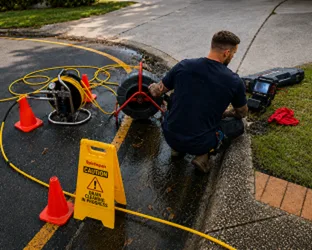
We find the actual cause rather than the visible symptom, show you, and give you a fixed figure. You decide with the number in front of you.

The repair is finished and proven on the spot, the site is left tidy, and any certificate the work requires comes with it.
Describe it and we will tell you whether it is a plumber, a gasfitter or neither, and whether it is worth doing today or booking for the week.
Licensing, pricing, timing and the things worth asking before anyone starts.

Call for the fastest answer, or send the form and a local plumber will come back to you with a time rather than a sales call.

Leave your details and our local Ryde team will call you back fast.